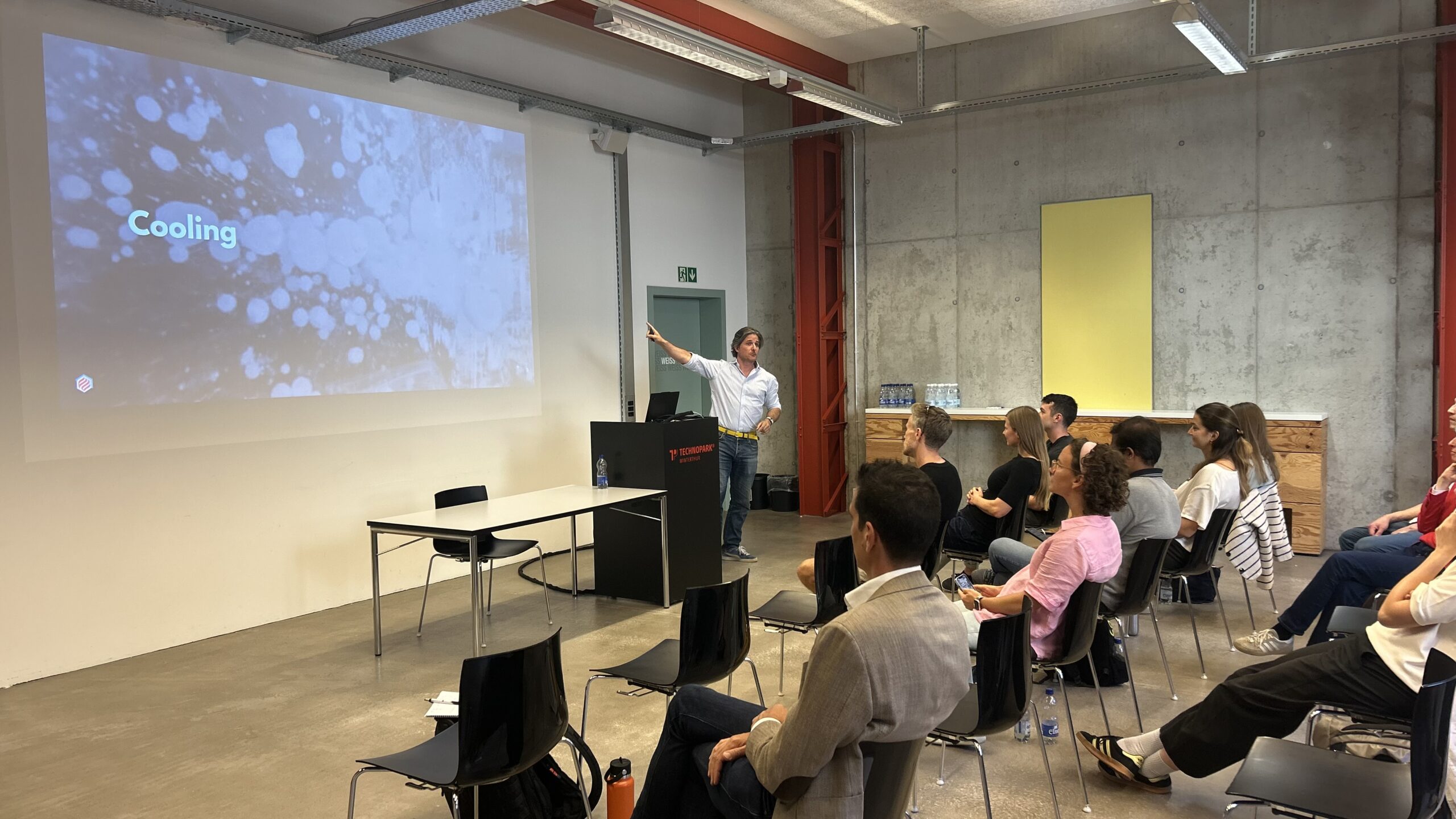
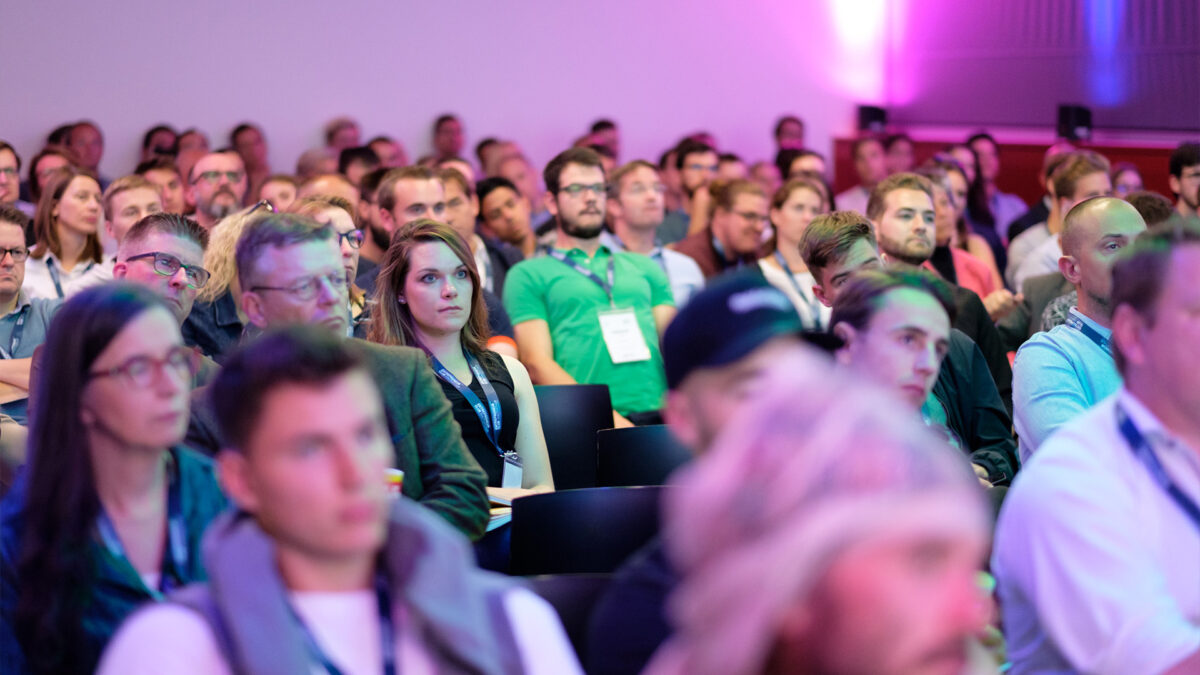
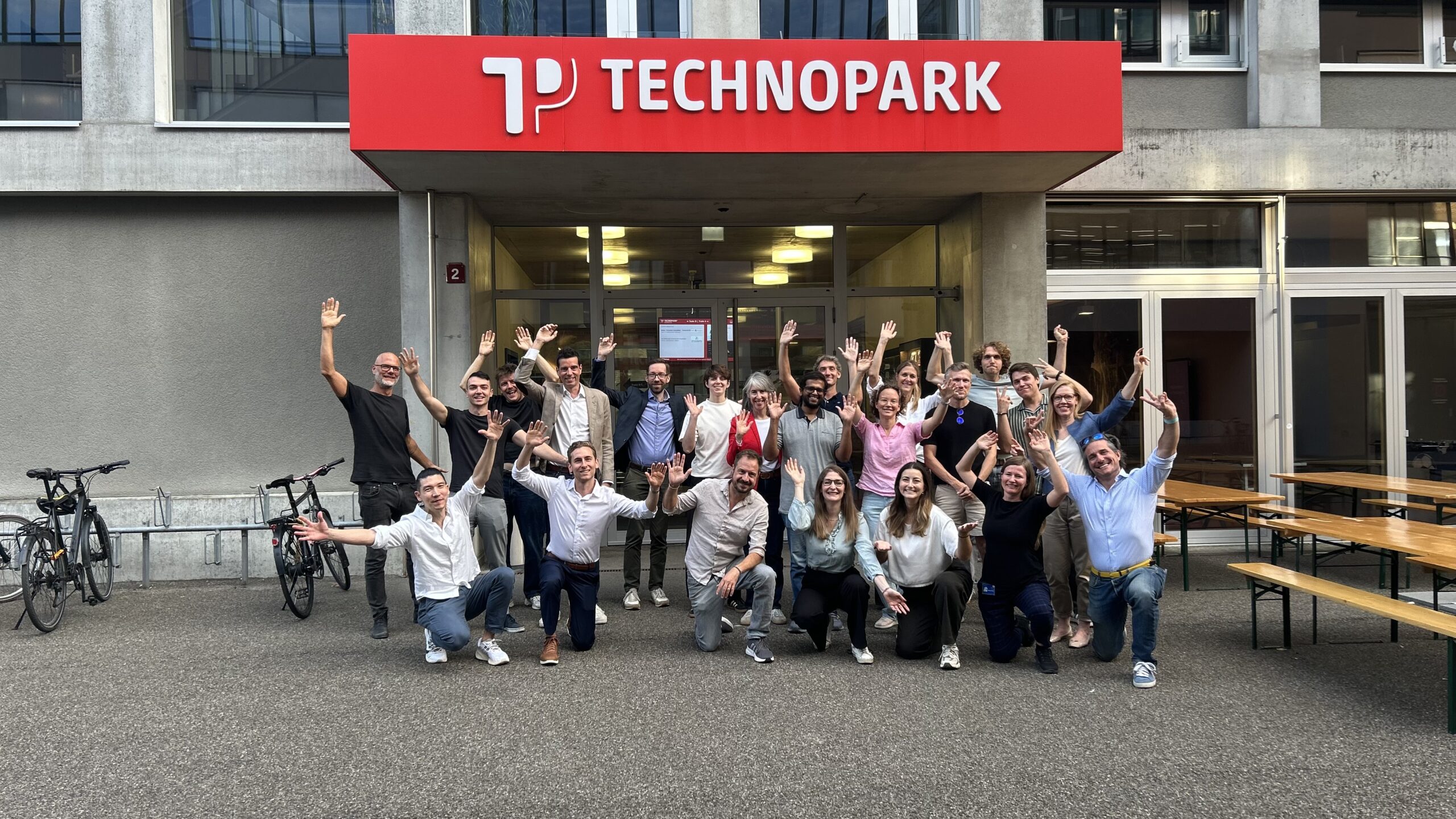
On Tuesday, 15 September 2026, the Energy & Environment Accelerator 2026/27 officially kicked off. Eight selected startups from the energy and environmental sectors are embarking on the six-month programme. With innovative solutions for smart grids, sustainable heating and cooling, solar energy, e-mobility, the circular economy and resilient infrastructure, they demonstrate the broad range of technologies that can contribute to a more sustainable energy and resource future.

The Energy & Environment Accelerator 2026/27 is officially underway. At the kick-off event on 15 September, the eight selected startup teams came together to lay the foundation for the months ahead. The programme is organised by STARTUP CAMPUS Switzerland at the ZHAW Zurich University of Applied Sciences and supports the startups in finding the right talent, connecting with suitable industry partners and gaining access to investors. In addition, they benefit from individual coaching, an investment readiness programme, access to a co-working space and a strong network. Once again, the focus is on solutions that combine innovation, entrepreneurship and sustainability while making a tangible contribution to the energy and environmental transition.
The eight startups at a glance
kuafu is developing an AI-powered platform for smarter energy management. It connects energy management system providers with grid operators and coordinates local energy resources such as heat pumps, battery storage systems and electric vehicles. The aim is to use existing grid capacities more efficiently, integrate renewable energy more effectively and reduce the need for costly grid expansion.
TALPA Inspection makes the condition of reinforced concrete infrastructure visible before damage becomes apparent from the outside. The ETH Zurich spin-off combines contactless corrosion measurements with visual inspections and digital condition models. The technology can be deployed using drones or robots, among other applications, and is designed to make inspections of bridges and other infrastructure faster, safer and more data-driven.
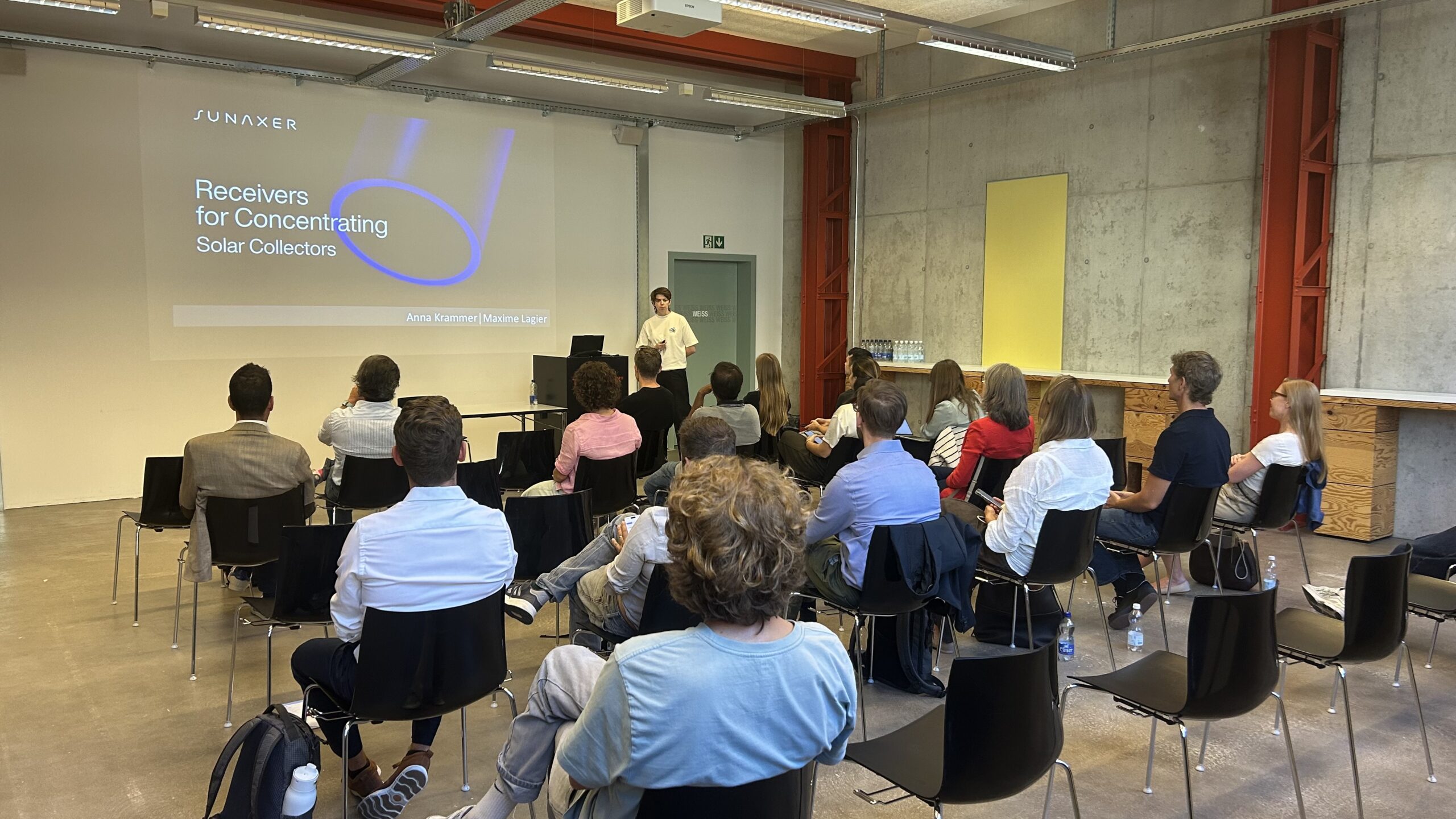
SUNAXER develops high-performance receivers for concentrated solar thermal systems. A specially developed absorber coating enables the efficient capture of solar energy at high temperatures while offering high durability. The startup aims to advance the use of solar-generated process heat and help industrial heat processes become less dependent on fossil fuels.
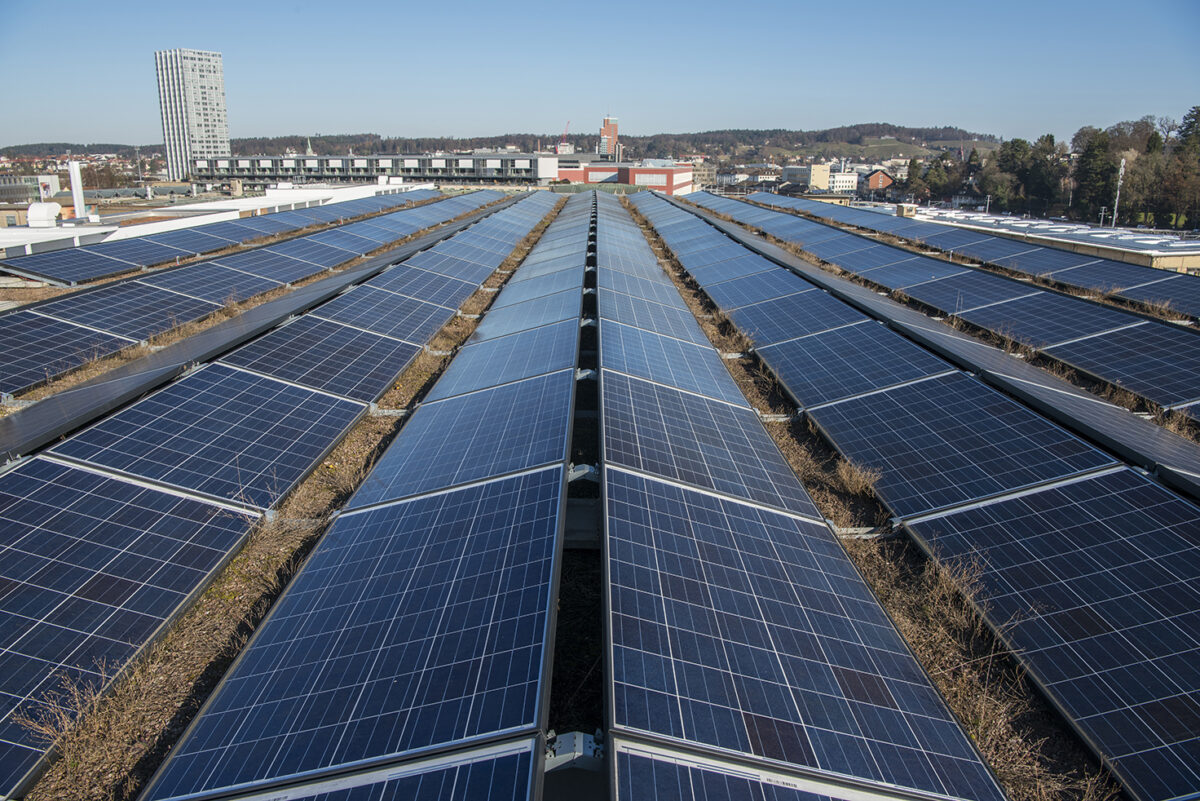
Freesuns combines solar energy with architecture. The company develops and installs integrated photovoltaic roof tiles that can be adapted to different roof shapes and architectural styles. This allows buildings with high aesthetic or heritage preservation requirements to generate solar power without fundamentally altering their architectural appearance through conventional solar panels.
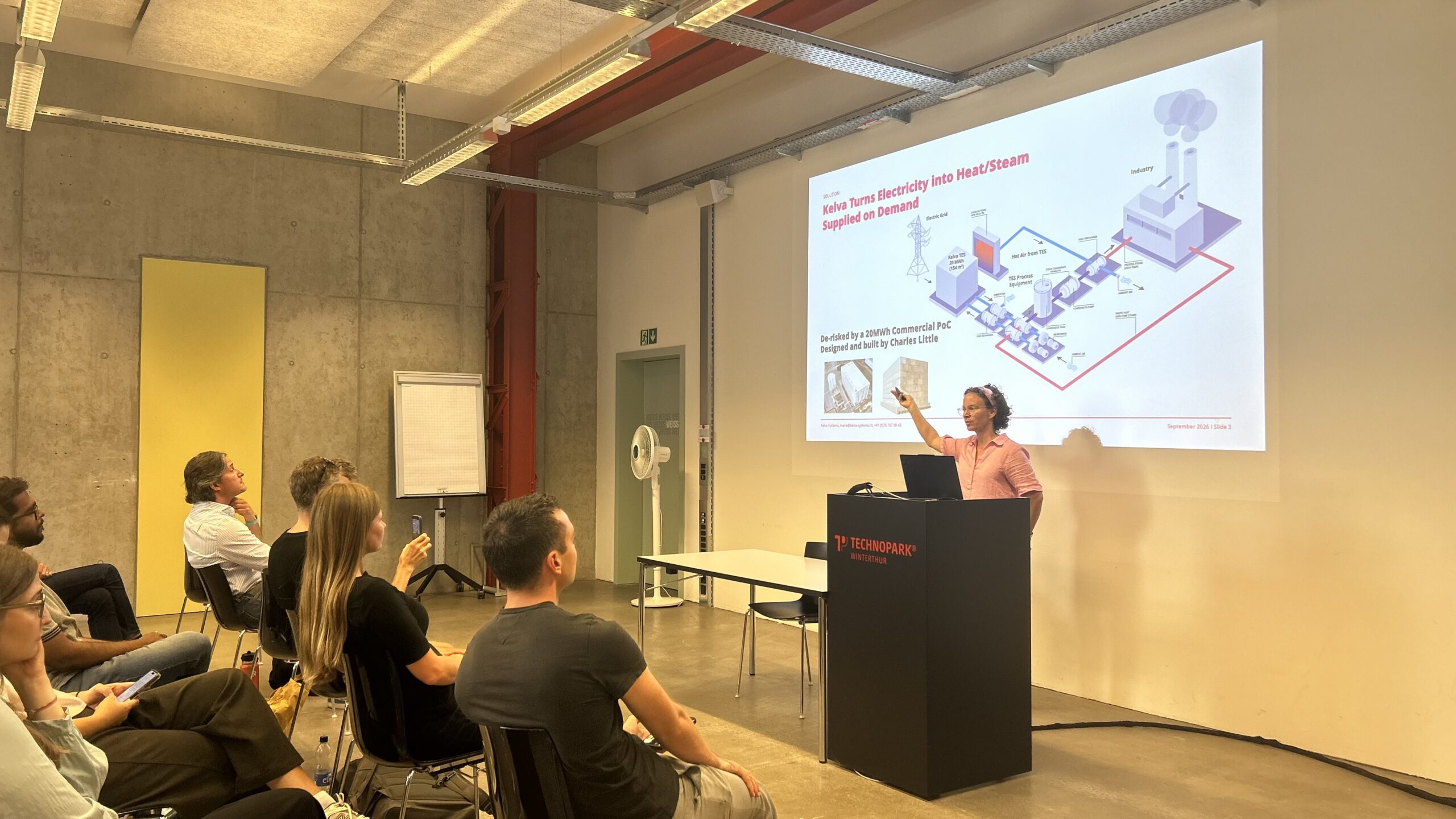
Kelva Systems develops concrete-based thermal storage solutions for industrial applications. Renewable electricity is converted into heat and stored in specially developed concrete blocks at temperatures of almost 600 degrees Celsius. When required, the stored energy can be released again as steam or hot air for industrial processes. The system can also make use of existing waste heat.
FrostForge is developing an off-grid solution for sustainable cooling. The Geneva-based startup creates modular, containerised systems that use heat from solar energy, industrial waste heat or other heat sources to directly produce cooling and ice. The technology operates without a conventional electrically powered compressor and is particularly suited to applications where a reliable electricity supply is not available.
nihito develops solutions for the electrification of truck, bus and commercial vehicle depots. Its platform combines fleet planning, charging processes and energy management while taking into account factors such as departure times, battery charge levels, grid capacities, electricity tariffs and local photovoltaic generation. The aim is to operate electric fleets as efficiently as possible within the available energy infrastructure and to support data-driven investment decisions.
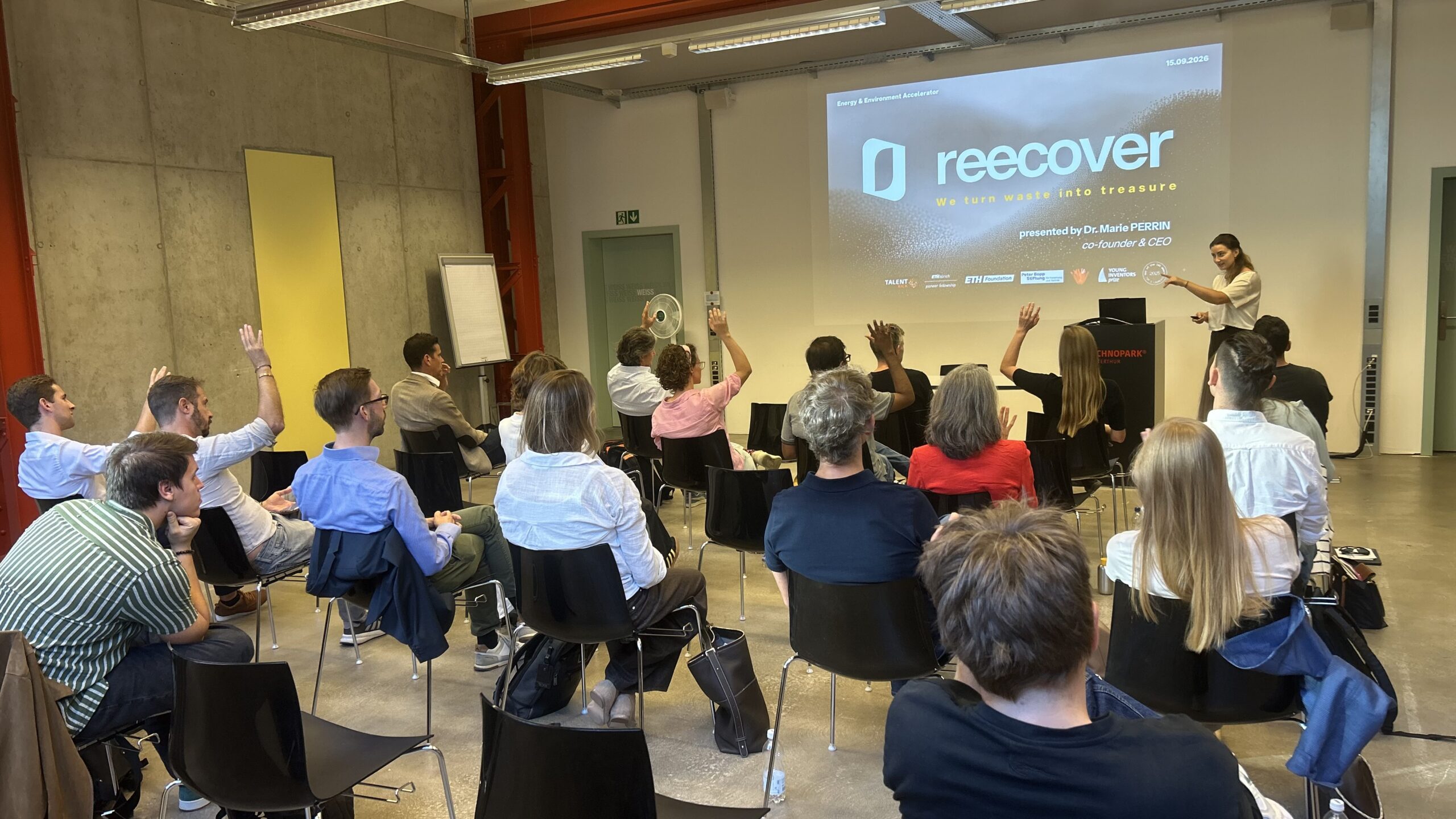
REEcover focuses on recovering rare earth elements from waste streams. The ETH Zurich spin-off is developing a patented technology that enables critical metals to be recovered from electronic waste and separated from one another. In doing so, REEcover aims to contribute to a stronger circular economy and a more sustainable supply of key raw materials for the energy and technology transition.
Driving innovation together
The Energy & Environment Accelerator is made possible through close collaboration within a strong network spanning business, academia, the public sector and the wider energy and startup ecosystem.
The programme’s main partner is the Bloom Foundation. Its public partners are the Office of Waste, Water, Energy and Air (AWEL) of the Canton of Zurich and ZHAW sustainable at the Zurich University of Applied Sciences.
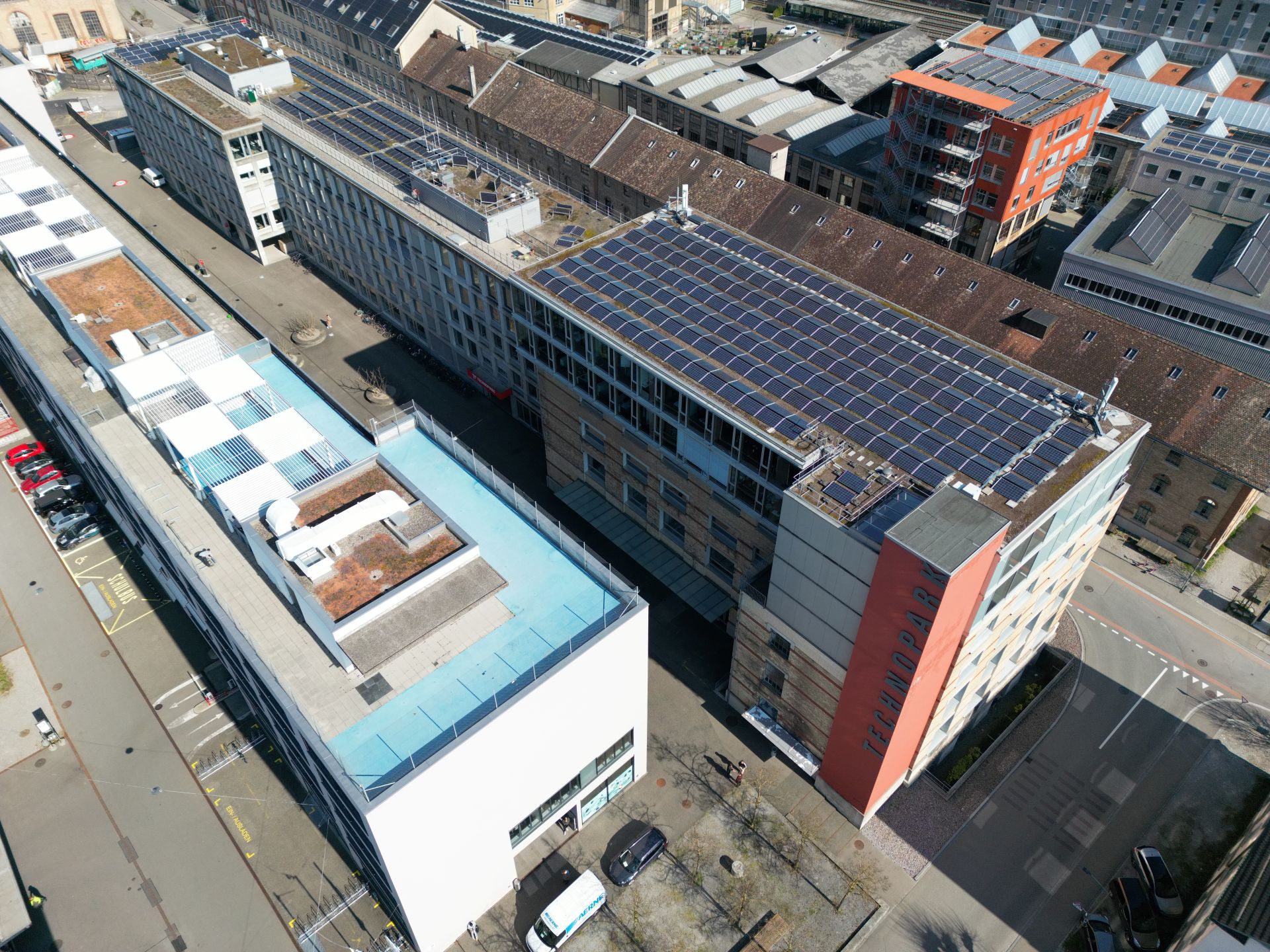
The accelerator’s corporate partners are BKW AG, Electrosuisse and Technopark Winterthur AG.
The programme is further supported by a broad network of supporting partners: Verein Energie Zukunft Schweiz, Swisspower AG, energie bewegt winterthur, Energy Startup Day, Innovation Monitor, Start Up Energy Transition (SET), the City of Winterthur, INVENTRIX Energy Ventures Network, Chi Impact Capital and Übermorgen Ventures.
This broad partnership brings together diverse expertise, networks and perspectives, creating valuable connections for the participating startups with companies, investors, experts and public institutions.
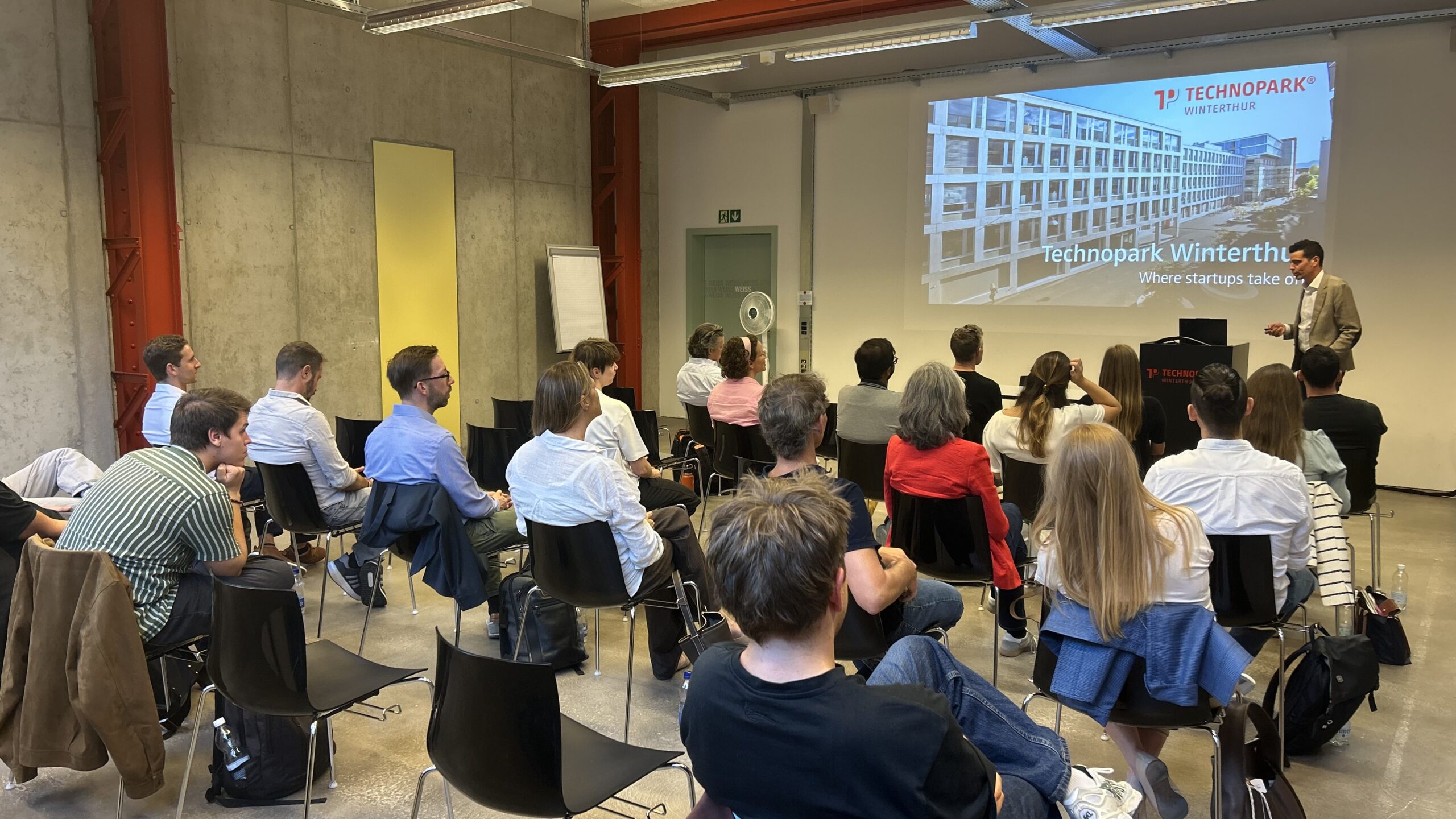
For us at Technopark Winterthur, the Accelerator is an important platform for supporting innovative solutions in the energy and environmental sectors at an early stage and connecting them with relevant stakeholders. The eight selected startups demonstrate the wide range of approaches that can contribute to a more sustainable energy and resource future.
We look forward to accompanying kuafu, TALPA Inspection, SUNAXER, Freesuns, Kelva Systems, FrostForge, nihito and REEcover over the coming months and following their development throughout the Energy & Environment Accelerator 2026/27.