With its new Integrated Joining System, Kistler has introduced a compact servo press that combines all key components in a single housing. It was developed in collaboration with Cyltronic, a company based at the Technopark in Winterthur. The solution is designed for machine and plant manufacturers seeking to implement process-reliable and energy-efficient joining operations.

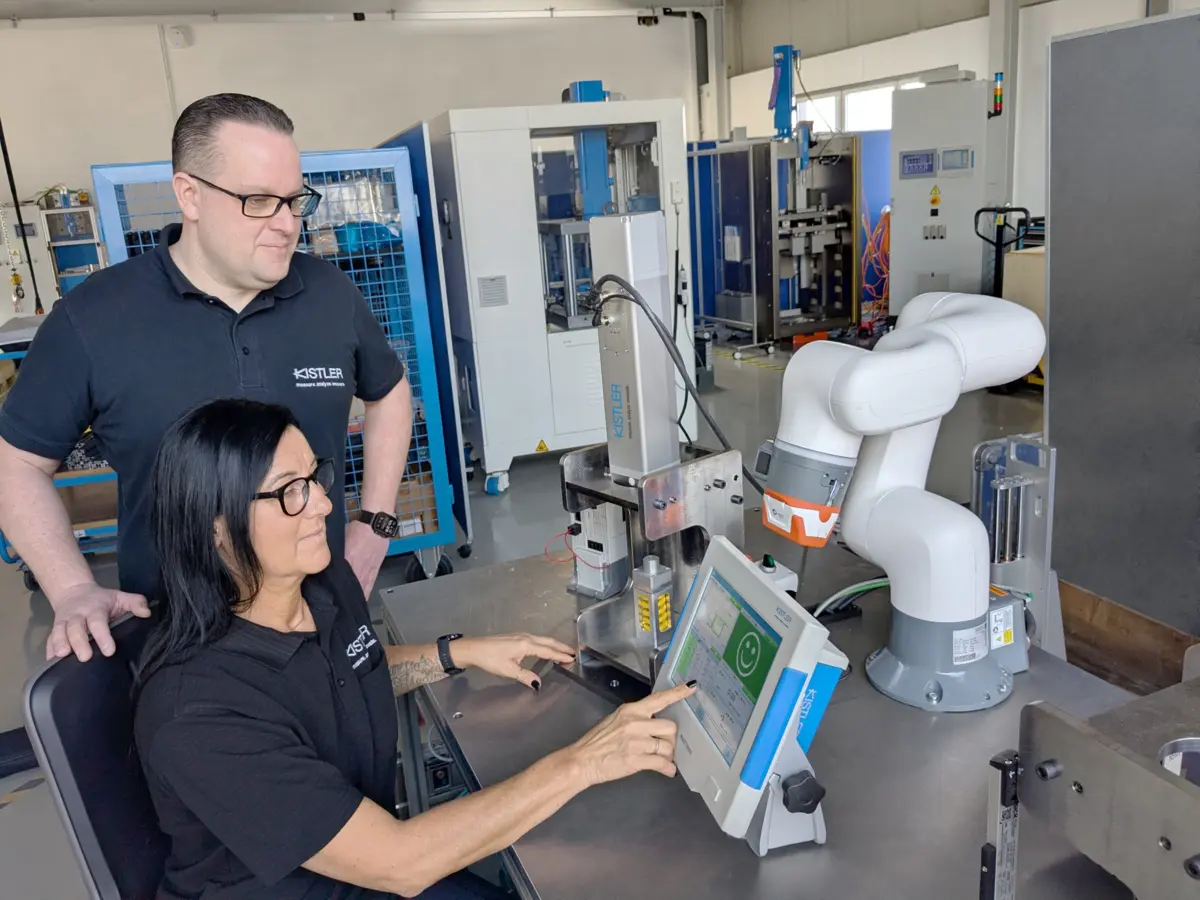
According to a press release, Kistler has made electromechanical joining significantly more convenient. In the new Integrated Joining System with force-displacement measurement, the globally active specialist in measurement technology and sensors, headquartered in Winterthur, has for the first time combined all components of a servo press into a single housing. Only Kistler’s maXYmos NC process monitoring and control system needs to be connected additionally. This creates a seamless measurement chain—from process control and monitoring to evaluation.
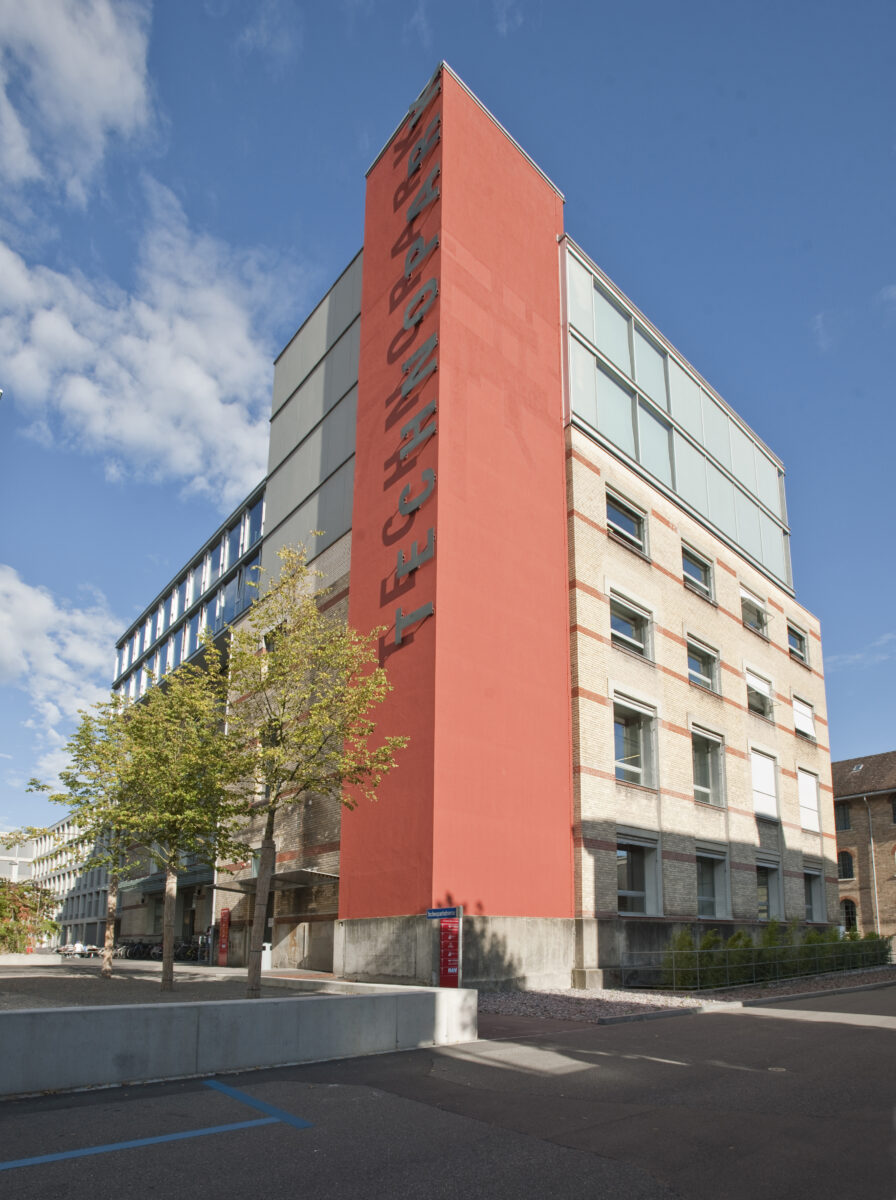
Kistler developed this compact joining system, integrated into a single housing, in collaboration with Cyltronic, a company founded in 2020 and based at Technopark Winterthur. “Our colleagues at Cyltronic have a wealth of valuable experience in integrating components into electric cylinders,” says Bastian Telgen, who was responsible for developing the Integrated Joining System at Kistler. “This expertise was essential for implementing our new system so quickly and successfully.”
The compact joining system is designed for machine and plant manufacturers planning a process-reliable (semi-)automated assembly station for joining components using a servo press. It serves as an energy-efficient alternative to pneumatic systems. The Integrated Joining System features up to 2.5 kilonewtons of joining force, a 200-millimeter stroke, and a 250-millimeter travel speed. The mechanical interface is designed in accordance with ISO Standard 15552.
This makes the servo press particularly suitable for applications in electronics and automotive manufacturing, among others, where pneumatic systems have previously been the primary choice due to space constraints or cost considerations. “We look forward to implementing many projects with our customers,” says Telgen, “and to developing further solutions and features in line with market needs based on user feedback.” ce/mm